While we spend considerable time optimising our horses' nutrition, many riders overlook their own dietary needs. Equestrian sport demands physical strength, mental focus, and sustained energy - all of which are directly influenced by what you eat. Proper nutrition can be the difference between a winning performance and one that falls short of your potential.

The Physical Demands of Riding
Many people underestimate the physical demands of equestrian sport. Research shows that riders:
- Heart Rate: Experience heart rates comparable to moderate-intensity exercise
- Core Activation: Constantly engage core muscles to maintain position
- Calorie Burn: Burn 300-600 calories per hour depending on intensity
- Mental Focus: Require sustained concentration that depletes glucose
- Physical Labour: Often do additional work mucking out, grooming, and yard work
A cross-country round at a three-day event can burn over 500 calories in just 10 minutes. Combined with the physical and mental preparation beforehand, riders need to fuel like the athletes they are.
Macronutrients for Riders
Carbohydrates: Your Primary Fuel
Carbohydrates are your body's preferred energy source, especially for the brain. For riders, adequate carbohydrate intake supports:
- Sustained energy during long training sessions
- Mental clarity and quick decision-making
- Recovery after intense exercise
- Stable blood sugar for even temperament
Best carbohydrate sources for riders:
- Whole grains (oats, brown rice, quinoa)
- Sweet potatoes and potatoes
- Fruits, especially bananas and berries
- Vegetables
- Legumes (beans, lentils)
Protein: Building and Repairing
Protein is essential for maintaining the muscle strength required for riding. Riders should aim for 1.2-1.6 grams of protein per kilogram of body weight daily.
Quality protein sources:
- Lean meats (chicken, turkey, lean beef)
- Fish and seafood
- Eggs
- Dairy products
- Plant proteins (tofu, tempeh, legumes)
- Nuts and seeds
Fats: Essential for Health
Healthy fats support hormone production, joint health, and provide sustained energy. Focus on:
- Avocados
- Olive oil
- Nuts and seeds
- Fatty fish (salmon, mackerel)
- Coconut oil (in moderation)
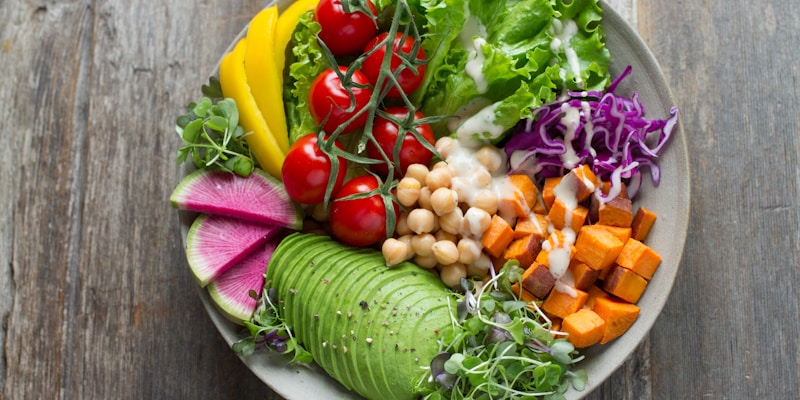
Meal Timing for Training
Before Riding
What and when you eat before riding can significantly impact your performance:
- 2-3 Hours Before: Eat a balanced meal with carbs, protein, and fats
- 30-60 Minutes Before: Have a small, easily digestible snack
- Avoid: Heavy, greasy foods that may cause discomfort in the saddle
Pre-ride snack ideas:
- Banana with almond butter
- Small handful of trail mix
- Greek yoghurt with berries
- Rice cake with honey
- Half a sandwich on whole grain bread
If you ride first thing in the morning, even a small snack can help. Try a banana or a few crackers with peanut butter. Riding on a completely empty stomach can affect concentration and energy levels.
After Riding
Post-ride nutrition is crucial for recovery. Within 30-60 minutes of riding:
- Consume protein to support muscle recovery
- Include carbohydrates to replenish energy stores
- Rehydrate with water or electrolyte drinks
Post-ride meal ideas:
- Grilled chicken with sweet potato and vegetables
- Salmon with quinoa and greens
- Eggs on toast with avocado
- Protein smoothie with fruit and oats
Nutrition for Training Days vs Rest Days
Training Days
On days with significant riding or physical activity:
- Increase carbohydrate intake to match energy demands
- Time meals around training sessions
- Stay on top of hydration throughout the day
- Include recovery nutrition after riding
Rest Days
On lighter days:
- Maintain protein intake for ongoing muscle repair
- Slightly reduce carbohydrate portions
- Focus on nutrient-dense foods
- Continue good hydration habits
Special Considerations for Riders
Maintaining a Healthy Weight
Weight management is a sensitive topic in equestrian sport. A healthy approach includes:
- Focus on Performance: Eat for energy and strength, not just weight
- Avoid Extremes: Crash diets impair performance and health
- Regular Meals: Skipping meals leads to poor decisions and energy crashes
- Quality Over Quantity: Choose nutrient-dense foods
Iron and Bone Health
Female riders in particular should pay attention to:
- Iron: Essential for energy and oxygen transport. Include red meat, spinach, and fortified cereals
- Calcium: Crucial for bone strength. Include dairy, leafy greens, and fortified alternatives
- Vitamin D: Supports calcium absorption. Consider supplements if limited sun exposure
"You wouldn't fuel your horse with poor quality feed and expect top performance. Apply the same logic to your own nutrition." - Anonymous
Practical Tips for Busy Equestrians
Meal Preparation
Riders often have early mornings and long days at the yard. Plan ahead:
- Prep in Advance: Batch cook proteins and grains on weekends
- Portable Snacks: Keep healthy options in your tack box or car
- Quick Breakfasts: Prepare overnight oats or smoothie ingredients the night before
- Stay Stocked: Keep a supply of easy meals for tired evenings
Smart Snacking at the Yard
Stock up on these yard-friendly snacks:
- Nuts and dried fruit
- Protein bars (check sugar content)
- Apple slices with nut butter packets
- Whole grain crackers with cheese
- Hard-boiled eggs (prepared in advance)
- Homemade energy balls
Conclusion
Proper nutrition is a powerful tool for improving your riding performance, recovery, and overall wellbeing. By paying attention to what and when you eat, you can maintain better energy levels, stay focused during your rides, and support the physical demands of equestrian sport.
Start by making small changes - perhaps adding a pre-ride snack or improving your post-ride recovery meal. Over time, these habits will become second nature, and you'll notice the difference in how you feel and perform in the saddle.


