What you eat before a match can significantly impact your performance on the pitch. Proper pre-match nutrition ensures your muscles have adequate fuel, your mind stays sharp, and you can maintain high intensity for the full 90 minutes. This guide covers everything you need to know about fuelling for football success.

Understanding Match Day Energy Demands
During a typical football match, players cover 10-13 kilometres, with significant portions at high intensity. This requires substantial energy from your body's fuel stores:
- Glycogen: Stored carbohydrates in muscles and liver - your primary fuel source
- Blood Glucose: Immediate energy from recent food intake
- Fat: Slower-burning fuel used during lower-intensity periods
Your goal with pre-match nutrition is to maximise glycogen stores while ensuring comfortable digestion and optimal hydration.
The 48-Hour Pre-Match Strategy
Two Days Before (Carb Loading Phase)
Begin increasing your carbohydrate intake to top up muscle glycogen stores:
- Increase carbohydrate portions at each meal
- Choose easily digestible sources: rice, pasta, bread, potatoes
- Reduce fibre slightly to prevent digestive discomfort
- Maintain adequate protein intake for recovery
Day Before the Match
Continue the carbohydrate focus while ensuring good hydration:
- Eat regular meals with carbohydrates as the base
- Include lean protein sources
- Drink fluids consistently throughout the day
- Avoid alcohol and excessive caffeine
- Get a good night's sleep
Aim for 7-10 grams of carbohydrate per kilogram of body weight in the 24-48 hours before a match. For a 75kg player, that is 525-750 grams of carbohydrates.
Match Day Nutrition
Pre-Match Meal (3-4 Hours Before Kickoff)
This is your main fuelling opportunity. The ideal pre-match meal should be:
- Carbohydrate-rich: 2-4 grams per kg body weight
- Low in fat: Fat slows digestion
- Moderate protein: Some protein aids satiety
- Low in fibre: Prevents GI discomfort
- Familiar: Nothing new on match day
Example Pre-Match Meals
- Pasta with tomato-based sauce and lean chicken
- Rice with grilled fish and steamed vegetables
- Toast with scrambled eggs and a banana
- Porridge with honey and sliced banana
- Pancakes with maple syrup and berries
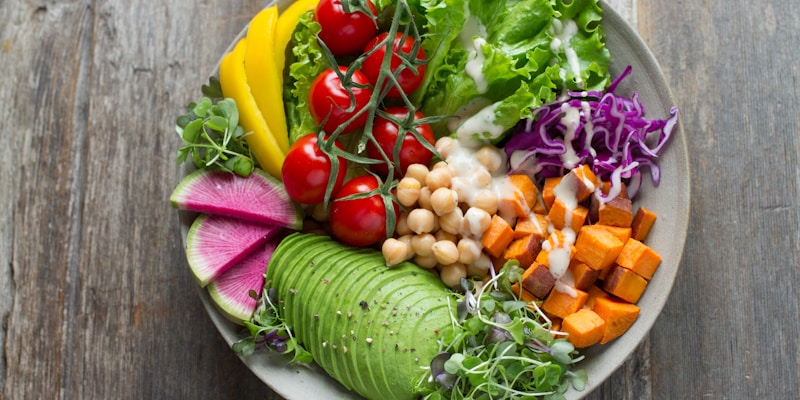
Pre-Match Snack (1-2 Hours Before)
A light, easily digestible snack can top up energy levels:
- Banana or other ripe fruit
- Energy bar or sports bar
- White bread with jam or honey
- Rice cakes with nut butter
- Sports drink or fruit juice
Final Hour Before Kickoff
In the last hour, focus on:
- Sipping water or sports drink (not chugging)
- Small easily digestible snacks if needed (gel, banana)
- Avoiding anything heavy or unfamiliar
Foods to Avoid Before a Match
Certain foods can impair performance or cause digestive issues:
- High-fat foods: Fried foods, creamy sauces, fatty meats
- High-fibre foods: Beans, lentils, raw vegetables, bran cereals
- Spicy foods: Can cause reflux and stomach upset
- New or unfamiliar foods: Never experiment on match day
- Excessive protein: Slow to digest and not needed immediately
- Carbonated drinks: Can cause bloating
Individual tolerance varies significantly. What works perfectly for one player may cause issues for another. Use training sessions to test your pre-match nutrition strategy.
Hydration Strategy
Day Before
Start the match well-hydrated by drinking consistently the day before:
- Monitor urine colour - aim for pale yellow
- Drink 2-3 litres of fluid throughout the day
- Include some electrolytes, especially in hot weather
Match Day
- Morning: 500ml with breakfast
- 2-3 hours before: 500ml water or sports drink
- 30 minutes before: 200-300ml
- Sip small amounts in warm-up
Caffeine as a Performance Aid
Research consistently shows caffeine can improve football performance by:
- Enhancing alertness and reaction time
- Reducing perceived exertion
- Improving endurance capacity
- Enhancing decision-making under fatigue
Effective Caffeine Use
- Timing: 30-60 minutes before kickoff
- Dose: 3-6mg per kg body weight (200-400mg for most players)
- Sources: Coffee, energy drinks, caffeine gels, or tablets
- Caution: Test in training first; some people are sensitive
"You wouldn't put low-grade fuel in a Ferrari. Your body is your most important piece of equipment - fuel it accordingly." - Sports Nutritionist
Special Considerations
Evening Matches
For matches with late kickoff times:
- Eat a substantial lunch as your main pre-match meal
- Have a lighter afternoon snack 2-3 hours before
- Maintain hydration throughout the day
- Consider a small top-up snack 1 hour before if needed
Morning Matches
Early kickoffs require different planning:
- Have a larger dinner the night before
- Wake early enough to eat 3-4 hours before kickoff
- Keep the pre-match meal simple and familiar
- Consider liquid nutrition if appetite is low
Multiple Matches (Tournaments)
When playing multiple matches in quick succession:
- Prioritise rapid refuelling between matches
- Focus on easily digestible carbohydrates
- Maintain hydration and electrolyte balance
- Consider portable, convenient food options
Sample Match Day Meal Plan
For a 3pm Kickoff
- 7:30am Breakfast: Large bowl of porridge with honey, banana, and orange juice
- 10:30am Snack: Toast with jam and a sports drink
- 11:30am Pre-Match Meal: Pasta with tomato sauce, chicken breast, and white bread
- 2:00pm Pre-Match Snack: Banana and energy bar
- 2:30pm: Coffee or caffeine supplement
- Ongoing: Sip water/sports drink during warm-up
Conclusion
Pre-match nutrition is not complicated, but it does require planning and consistency. The key principles are: maximise carbohydrate stores, stay well-hydrated, allow adequate digestion time, and never try anything new on match day.
Develop your personal pre-match nutrition routine during training, and stick to what works for you. Good nutrition will not turn an average player into a superstar, but poor nutrition can certainly prevent a good player from performing at their best. Give yourself every advantage by fuelling properly for every match.


