Flexibility is one of the most overlooked aspects of golf fitness, yet it directly impacts your swing mechanics, power generation, and injury prevention. A flexible body can rotate more efficiently, generate more clubhead speed, and maintain proper positions throughout the swing that a tight body simply cannot achieve.
Why Flexibility Matters for Golf
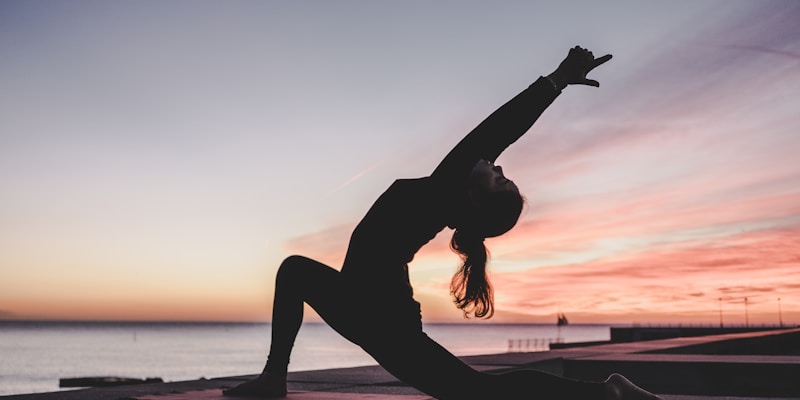
The golf swing requires rotation and movement through multiple planes simultaneously. Limited flexibility in key areas forces compensations that can lead to inconsistent ball striking, loss of power, and potential injury.
Key Areas of Golf-Specific Flexibility
- Thoracic Spine: Enables upper body rotation in the backswing
- Hips: Allow proper weight transfer and lower body stability
- Shoulders: Provide range of motion for a full backswing
- Hamstrings: Maintain posture throughout the swing
- Hip Flexors: Enable proper pelvic rotation
Pre-Round Dynamic Stretching Routine
Before playing or practicing, perform these dynamic stretches to warm up your muscles and prepare them for the rotational demands of golf.
How to: Stand with feet shoulder-width apart, arms crossed over chest. Rotate your upper body as far as comfortable to the right, then to the left, keeping your hips relatively stable. Increase range gradually as you warm up.
Why it helps: Activates the thoracic spine and core muscles used in the golf swing.
How to: Stand on one leg (use a club for balance). Lift the other knee and draw large circles with your knee, first clockwise, then counterclockwise.
Why it helps: Mobilizes the hip joint and activates the glutes and hip flexors.
How to: Standing tall, swing both arms forward and backward in large circles. Then switch to crossing arms in front of your chest and swinging them out wide.
Why it helps: Warms up the shoulder joints and chest muscles.
How to: Step forward into a lunge position. At the bottom of the lunge, rotate your torso toward your front leg. Return to standing and repeat on the other side.
Why it helps: Combines hip flexor stretching with thoracic rotation.
Never stretch cold muscles statically before playing. Dynamic stretching (movement-based) is safer and more effective for pre-round preparation.
Post-Round Static Stretching Routine
After your round, when muscles are warm, static stretching helps restore length to muscles that have been repeatedly contracted during your swing.
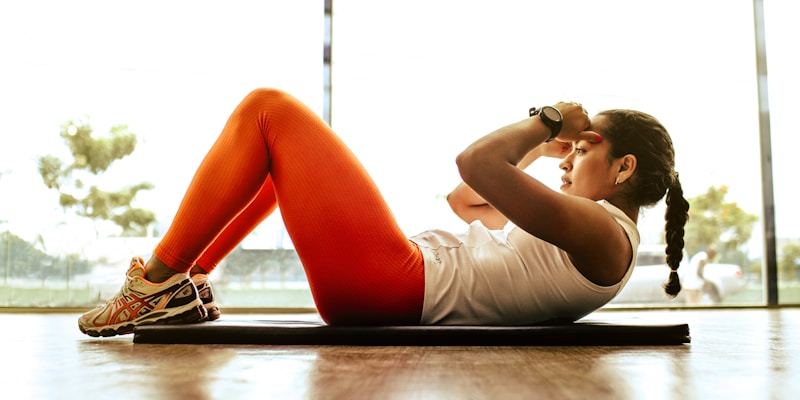
How to: Sit on the ground with legs extended. Cross your right foot over your left leg, placing it flat on the ground. Twist your torso to the right, using your left elbow against your right knee for leverage. Look over your right shoulder.
Why it helps: Deeply stretches the thoracic spine and lower back after repetitive rotation.
How to: Lie on your back. Cross your right ankle over your left knee. Pull your left thigh toward your chest, threading your hands behind your left thigh.
Why it helps: Releases the piriformis and glutes, which work hard to stabilize your lower body during the swing.
How to: Kneel on your right knee with your left foot flat on the ground in front. Push your hips forward while keeping your torso upright. Raise your right arm overhead and lean slightly left for an enhanced stretch.
Why it helps: Stretches the hip flexors, which can become tight from walking and the golf stance.
How to: Stand in a doorway with your forearm against the frame, elbow at shoulder height. Step through the doorway until you feel a stretch across your chest and front shoulder.
Why it helps: Opens up the chest and front shoulder after the contracting motions of gripping and swinging.
Daily Flexibility Routine for Golfers
For lasting improvements in flexibility, incorporate these stretches into your daily routine, even on non-golf days.
Morning Mobility (5 minutes)
- Cat-Cow Stretches: 10 repetitions
- Thread the Needle: 5 each side
- Hip Circles on All Fours: 10 each direction, each leg
Evening Flexibility (10 minutes)
- Seated Spinal Twist: 30 seconds each side
- Figure-Four Hip Stretch: 45 seconds each side
- Hamstring Stretch: 30 seconds each leg
- Child's Pose: 60 seconds
- Open Book Thoracic Rotation: 10 each side
"Flexibility is the youth of the body. In golf, it allows you to make a full turn and generate power without forcing it." — Fitness Coach to PGA Tour players
Common Flexibility Mistakes
- Bouncing during stretches: Static stretches should be held steadily, not bounced
- Stretching cold muscles: Always warm up first with light activity or dynamic movements
- Holding breath: Continue breathing normally during all stretches
- Stretching into pain: Stretch to mild discomfort, never sharp pain
- Rushing: Quality stretching takes time; hold positions adequately
Conclusion
Improved flexibility translates directly to improved golf performance. You'll be able to make a fuller shoulder turn, maintain your posture better, and generate more power with less effort. Perhaps most importantly, you'll reduce your risk of the nagging injuries that can sideline golfers.
Start with the pre-round and post-round routines, then gradually add the daily mobility work. Within weeks, you'll notice increased range of motion in your swing and reduced stiffness after playing. Your body—and your scorecard—will thank you.


