Gymnastics is a demanding sport that places significant stress on the body. While injuries can never be completely eliminated, understanding the causes and implementing prevention strategies can significantly reduce risk. This guide explores comprehensive approaches to keeping gymnasts healthy and performing at their best.
Understanding Gymnastics Injuries
Common Injury Types
Gymnastics injuries generally fall into two categories:
- Acute injuries: Sudden injuries from falls, landings, or contact (sprains, fractures, dislocations)
- Overuse injuries: Gradual injuries from repetitive stress (stress fractures, tendinitis, growth plate injuries)
High-Risk Areas
- Wrists: Bear significant load during tumbling and support skills
- Ankles: Impact from landings and dismounts
- Knees: Stress from jumping and landing
- Lower back: Repetitive hyperextension in many skills
- Shoulders: Overhead movements and support positions
- Elbows: Particularly in male gymnasts
Research shows that approximately 70% of gymnastics injuries are overuse injuries, meaning they develop over time and are largely preventable with proper training management.
Risk Factors for Injury
Training-Related Factors
- Training volume: Too many hours without adequate recovery
- Rapid progression: Advancing skills too quickly
- Poor technique: Improper form increases joint stress
- Inadequate warm-up: Cold muscles are more injury-prone
- Fatigue: Mental and physical exhaustion impairs judgment and coordination
Physical Factors
- Insufficient strength: Muscles unable to support skill demands
- Muscle imbalances: Asymmetries increase injury risk
- Poor flexibility: Limited range forces compensation
- Growth spurts: Rapid growth affects coordination and bone strength
- Previous injury: History of injury increases re-injury risk
Environmental Factors
- Equipment condition and maintenance
- Landing surfaces and mat placement
- Training space and safety zones
- Temperature and humidity
Prevention Strategies
Proper Warm-Up Protocol
Every training session should begin with a comprehensive warm-up:
- General cardiovascular warm-up: 5-10 minutes (jogging, jumping jacks)
- Dynamic stretching: 10-15 minutes (leg swings, arm circles, lunges)
- Sport-specific movements: Gradually increase intensity
- Event-specific preparation: Before moving to each apparatus
Strength and Conditioning
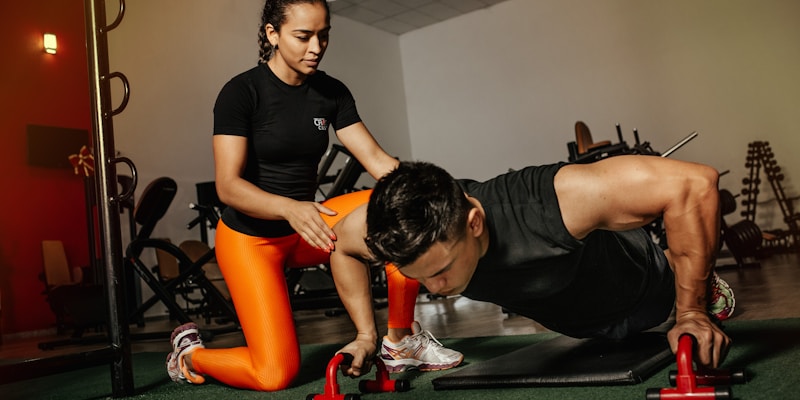
Appropriate conditioning protects against injury:
- Core strength: Protects the spine during skills
- Wrist conditioning: Prepares wrists for support and impact
- Ankle stability: Reduces landing injuries
- Shoulder stability: Supports overhead movements
- Hip and knee strength: Absorbs landing forces
Wrists are particularly vulnerable in gymnastics. Include wrist-specific warm-up, use proper wrist guards when needed, and avoid excessive time in handstand positions when wrists are fatigued or sore.
Skill Progression
Following proper progressions is essential for safety:
- Master prerequisites: Don't skip fundamental skills
- Use appropriate progressions: Drills before full skills
- Proper spotting: Always use qualified spotters for new skills
- Landing mats: Progress gradually from soft to hard surfaces
- Repetition limits: Don't overload any single skill or body part
Recovery and Rest
Recovery is when the body adapts and strengthens:
- Rest days: At least one full rest day per week
- Sleep: 8-10 hours for young athletes
- Nutrition: Adequate fuel for training and recovery
- Active recovery: Light movement on recovery days
- Listen to pain: Pain is a warning signal, not something to push through
Managing Training Load
Signs of Overtraining
- Persistent fatigue
- Decreased performance
- Increased irritability
- Sleep disturbances
- Frequent illness
- Loss of motivation
- Nagging injuries that don't heal
Load Management Principles
- Gradual progression: Increase training load by no more than 10% per week
- Periodization: Plan high and low intensity phases
- Monitoring: Track training volume and athlete wellness
- Individual attention: Recognize that athletes recover differently
Equipment and Environment Safety
Equipment Checks
- Regular inspection of all apparatus
- Proper mat placement and condition
- Secure equipment setup
- Appropriate chalk and grip aids
- Well-maintained training surfaces
Environment Considerations
- Adequate space between apparatus
- Clear landing areas
- Appropriate temperature and ventilation
- Good lighting
- Emergency procedures in place
"Prevention is better than cure. The time invested in proper preparation saves far more time lost to injury." - Unknown
Responding to Injury
Immediate Response (PRICE Protocol)
- P - Protection: Stop training, protect the injured area
- R - Rest: Avoid movements that cause pain
- I - Ice: Apply ice for 15-20 minutes
- C - Compression: Use elastic bandage if appropriate
- E - Elevation: Raise the injured limb above heart level
When to Seek Medical Attention
- Severe pain or swelling
- Inability to bear weight or move the joint
- Visible deformity
- Numbness or tingling
- Pain that doesn't improve after several days
- Any head injury
Return to Training After Injury
Progression Guidelines
- Medical clearance: Get cleared by healthcare professional
- Pain-free movement: Full range of motion without pain
- Strength restoration: Equal strength to uninjured side
- Gradual return: Progressive increase in training intensity
- Mental readiness: Confident and comfortable with movements
Building Confidence
- Start with basic skills and progress gradually
- Use extra matting initially
- Work with trusted spotters
- Communicate openly with coaches about concerns
- Don't rush the process
Role of Coaches and Parents
Coach Responsibilities
- Create a safe training environment
- Follow proper progressions
- Monitor athlete fatigue and wellness
- Encourage open communication about pain
- Know when to modify or stop training
- Maintain appropriate coach-to-athlete ratios
Parent Responsibilities
- Ensure adequate rest and nutrition at home
- Communicate concerns to coaches
- Avoid pressuring athletes to train through pain
- Support recovery from injury
- Model healthy attitudes toward training
Conclusion
Injury prevention in gymnastics requires a comprehensive approach involving proper training methods, adequate recovery, appropriate equipment, and open communication between athletes, coaches, and parents. While the sport inherently carries risk, implementing these prevention strategies can significantly reduce injury rates and keep gymnasts healthy throughout their careers.
Remember that long-term athletic development is more important than short-term gains. Taking time to build proper strength, technique, and recovery habits creates a foundation for sustained success and enjoyment in the sport.


