Shoulders and knees bear the brunt of rugby's physical demands. From tackles and rucks to scrums and lineouts, these joints face repeated stress that can lead to injury if not properly cared for. This guide provides comprehensive strategies for protecting and strengthening these vulnerable areas.
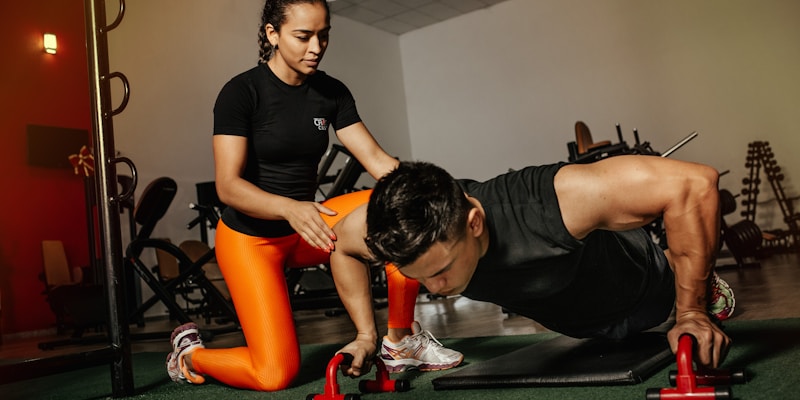
Understanding Shoulder Injuries in Rugby
The shoulder is the most commonly injured joint in rugby, accounting for approximately 20% of all injuries. Understanding why helps inform prevention strategies.
Common Shoulder Injuries
- AC Joint Injuries: Common from direct impact to the point of the shoulder during tackles.
- Dislocations: Often occur when the arm is forced into extreme positions during contact.
- Rotator Cuff Injuries: Develop from repeated overhead movements and impact.
- Labral Tears: Can result from traumatic dislocations or repetitive stress.
Most shoulder injuries are preventable with proper technique, adequate strength, and appropriate training load management. Invest time in prevention before injuries occur.
Shoulder Strengthening Programme
A comprehensive shoulder programme addresses strength, stability, and mobility in all directions.
Rotator Cuff Strengthening
- External Rotation: Band or cable external rotation with elbow at 90 degrees. 3 sets x 15 reps.
- Internal Rotation: Band or cable internal rotation. 3 sets x 15 reps.
- Side-Lying External Rotation: Light dumbbell, controlled movement. 3 sets x 12 reps.
- Prone Y-T-W Raises: Light weight or no weight, focus on scapular control. 2 sets x 10 each position.
Scapular Stability Exercises
- Wall Slides: Back against wall, arms in 'W' position, slide up to 'Y'. 3 sets x 10 reps.
- Face Pulls: Cable or band, focus on squeezing shoulder blades. 3 sets x 15 reps.
- Band Pull-Aparts: Horizontal band pulls with straight arms. 3 sets x 15 reps.
- Serratus Punches: Push-up position, protract and retract shoulder blades. 3 sets x 12 reps.
Shoulder Mobility Work
- Shoulder Circles: Large controlled circles in both directions.
- Cross-Body Stretch: Hold 30 seconds each side.
- Doorway Stretch: Stretch pectorals at various arm angles.
- Thread the Needle: Thoracic rotation from quadruped position.
Understanding Knee Injuries in Rugby
Knee injuries can be career-threatening and often require lengthy rehabilitation. Prevention and early intervention are crucial.
Common Knee Injuries
- ACL Tears: Often non-contact, occurring during cutting, landing, or pivoting movements.
- MCL Injuries: Frequently result from direct contact to the outside of the knee.
- Meniscus Tears: Can be traumatic or develop from repeated stress.
- Patellofemoral Pain: Develops gradually from overuse and poor biomechanics.
Research shows that neuromuscular training programmes can reduce ACL injury risk by up to 50%. Consistent prevention work is more effective than any treatment.
Knee Strengthening Programme
Strong muscles around the knee absorb force and provide stability during dynamic movements.
Quadriceps Strengthening
- Squats: Full range when appropriate, controlled descent. 3 sets x 8-12 reps.
- Split Squats: Rear foot elevated for greater range. 3 sets x 10 each leg.
- Leg Press: Full range, controlled tempo. 3 sets x 12 reps.
- Step-Ups: Box height appropriate for full hip extension. 3 sets x 10 each leg.
Hamstring Strengthening
- Romanian Deadlifts: Focus on hip hinge pattern. 3 sets x 10 reps.
- Nordic Hamstring Curls: Eccentric focus, critical for injury prevention. 3 sets x 5-8 reps.
- Single-Leg Deadlifts: Balance and strength combined. 3 sets x 8 each leg.
- Glute-Ham Raises: If available, excellent posterior chain exercise. 3 sets x 8 reps.
Neuromuscular Training
These exercises train the nervous system to protect the knee during dynamic movements:
- Single-Leg Balance: Progress from stable to unstable surfaces. 3 x 30 seconds each leg.
- Single-Leg Hop and Hold: Forward, lateral, and diagonal. 3 x 5 each direction.
- Drop Landings: Focus on soft, controlled landing with knee tracking over toes.
- Cutting Drills: Progress from planned to reactive cutting movements.
Tackling Technique for Joint Protection
Proper technique reduces injury risk to both tackler and ball carrier.
Shoulder Protection in Tackles
- Contact Point: Lead with the shoulder, not the head or arm.
- Arm Position: Keep arms tight to the body at initial contact.
- Target Area: Aim for the hips or thighs of the ball carrier.
- Follow Through: Drive through the tackle rather than stopping at contact.
Knee Protection During Contact
- Wide Base: Maintain a stable stance with feet wider than hips.
- Knee Alignment: Keep knees tracking over toes during all movements.
- Avoid Hyperextension: Maintain slight knee bend when absorbing contact.
- Ground Contact: Protect knees when going to ground by controlling the descent.
"The best ability is availability. Time invested in injury prevention is time on the field, not in the physio room." - Professional Rugby Physiotherapist
Pre-Training and Pre-Match Preparation
Proper preparation primes joints for the demands of rugby:
Dynamic Warm-Up Routine
- General Movement: 5 minutes light jogging or cycling to raise body temperature.
- Hip Mobility: Leg swings, hip circles, walking lunges with rotation.
- Shoulder Activation: Arm circles, band pull-aparts, internal/external rotation.
- Movement Preparation: Squats, lateral lunges, skipping, high knees.
- Rugby-Specific: Passing, light contact drills, position-specific movements.
Recovery Protocols
Consistent recovery practices reduce cumulative stress on joints:
- Ice/Cold Therapy: 15-20 minutes post-training for inflamed or sore joints.
- Compression: Consider compression garments for recovery periods.
- Mobility Work: Daily stretching and foam rolling for tight areas.
- Sleep: Prioritise 8+ hours for optimal tissue repair.
- Nutrition: Adequate protein and anti-inflammatory foods support recovery.
When to Seek Help
Know the warning signs that require professional assessment:
- Swelling: Significant swelling following injury or training.
- Instability: Feeling of giving way in the joint.
- Locking: Joint catching or unable to move through full range.
- Persistent Pain: Pain that doesn't improve with rest over several days.
- Night Pain: Pain that disturbs sleep.
Conclusion
Shoulder and knee care requires consistent effort throughout your rugby career. By implementing strengthening programmes, practising proper technique, preparing adequately for training and matches, and prioritising recovery, you significantly reduce your injury risk while improving your longevity in the sport.
Remember that prevention is always better than rehabilitation. Make these practices part of your regular routine, not just responses to injury. Your future self will thank you.


