The shoulder is the most commonly injured joint in tennis. The repetitive overhead motions of serving and the powerful rotational forces of groundstrokes place enormous stress on this complex joint. Understanding shoulder anatomy, recognizing warning signs, and implementing preventive strategies can help you maintain a healthy shoulder throughout your playing career.

Understanding the Tennis Shoulder
The shoulder is remarkably mobile—it can move in more directions than any other joint in the body. This mobility comes at the cost of stability. Unlike the hip, which is a ball-and-socket joint with a deep socket, the shoulder socket is quite shallow, relying heavily on muscles, tendons, and ligaments for stability.
Key Structures at Risk
- Rotator cuff: A group of four muscles (supraspinatus, infraspinatus, teres minor, subscapularis) that stabilize the shoulder and allow rotation. The supraspinatus is most commonly injured in tennis players.
- Labrum: A ring of cartilage that deepens the shoulder socket. Repetitive overhead motions can cause labral tears.
- Biceps tendon: Attaches to the labrum and can become inflamed or torn from serving motions.
- Scapula: The shoulder blade, which must move in coordination with the arm. Poor scapular control is a major risk factor for shoulder injuries.
Common Tennis Shoulder Injuries
Rotator Cuff Tendinitis
Inflammation of the rotator cuff tendons, often caused by repetitive overhead motions. Symptoms include pain during serving or overhead shots, especially with fatigue. Early-stage tendinitis responds well to rest and rehabilitation.
Rotator Cuff Tears
Partial or complete tears of rotator cuff tendons. These can develop gradually from chronic overuse or suddenly from acute injury. Pain, weakness, and difficulty raising the arm are common symptoms.
Shoulder Impingement
Occurs when the rotator cuff tendons get pinched between the bones of the shoulder during overhead movements. Creates a painful arc of motion, particularly when raising the arm between 60-120 degrees.
SLAP Tears
Superior Labrum Anterior to Posterior tears affect the top of the labrum where the biceps tendon attaches. Common in players who serve frequently and with high velocity. Symptoms include a catching sensation and pain with overhead activities.
Never ignore persistent shoulder pain. Pain that lasts more than a few days, pain that wakes you at night, or pain that doesn't respond to rest warrants evaluation by a sports medicine professional.
Risk Factors for Shoulder Injury
Understanding risk factors helps you address vulnerabilities before they lead to injury:
- Training load errors: Sudden increases in practice volume or intensity
- Poor technique: Faulty serving mechanics that place excessive stress on the shoulder
- Muscle imbalances: Weak external rotators relative to internal rotators
- Inadequate recovery: Insufficient rest between training sessions
- Scapular dyskinesis: Abnormal movement of the shoulder blade during arm motion
- Poor core stability: A weak core forces the shoulder to work harder
- Previous injury: Prior shoulder problems increase future injury risk
Prevention Strategy: Warm-Up Protocol
A proper warm-up prepares the shoulder for the demands of tennis by increasing blood flow, improving tissue elasticity, and activating the muscles that stabilize the joint.
Dynamic Warm-Up Exercises
- Arm circles (30 seconds each direction): Start with small circles and gradually increase to large circles. Forward and backward.
- Cross-body arm swings (20 reps): Swing both arms across your body and then out wide, keeping them at shoulder height.
- Shoulder rotations with resistance band (15 reps each): Internal and external rotation at 90 degrees of abduction.
- Wall slides (15 reps): Stand with your back against a wall, arms in a "goal post" position. Slide arms up and down while maintaining contact with the wall.
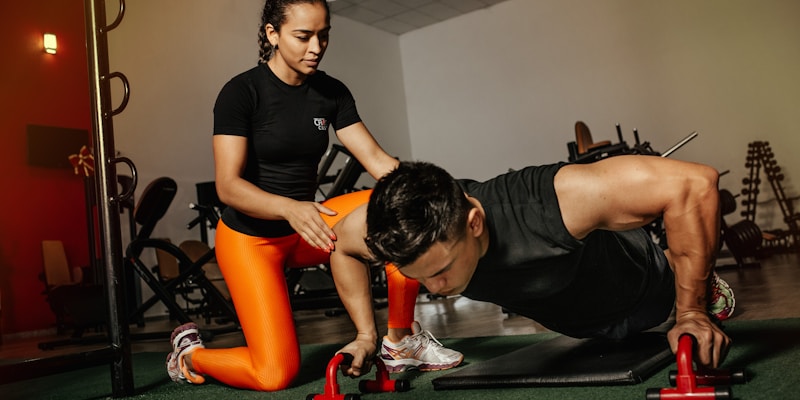
- Scapular push-ups (10 reps): In a push-up position, keep arms straight and protract/retract the shoulder blades.
Prevention Strategy: Strengthening Program
A comprehensive shoulder strengthening program addresses the rotator cuff, scapular stabilizers, and the muscles of the posterior shoulder chain. Perform these exercises 2-3 times per week.
Rotator Cuff Exercises
External Rotation with Band: Attach a resistance band at elbow height. Stand sideways to the anchor, elbow bent 90 degrees and tucked to your side. Rotate your forearm outward against the resistance. 3 sets of 15 reps each arm.
Side-Lying External Rotation: Lie on your side with a light dumbbell (1-3kg). Keep elbow bent and tucked to your side. Rotate the weight upward toward the ceiling. 3 sets of 15 reps.
Prone Horizontal Abduction: Lie face down on a bench with arm hanging down. With thumb pointing up, raise arm out to the side until parallel with the ground. 3 sets of 12 reps.
Scapular Stability Exercises
Rows: Cable or band rows emphasizing squeezing the shoulder blades together. 3 sets of 12 reps.
Face Pulls: Using a cable or band at face height, pull toward your face while externally rotating your shoulders. 3 sets of 15 reps.
Serratus Punches: Lying on your back with arms pointing toward the ceiling, push your hands further toward the ceiling by protracting your shoulder blades. 3 sets of 15 reps.
Rotator cuff exercises should be performed with light weights and high repetitions. Focus on controlled movements rather than lifting heavy. If you feel pinching or sharp pain, stop immediately and reassess your form.
Prevention Strategy: Technique Optimization
Faulty technique is a leading cause of shoulder injuries in tennis. Work with a qualified coach to ensure your strokes are biomechanically sound.
Serve Technique Considerations
- Trophy position: Ensure adequate shoulder external rotation without excessive horizontal abduction
- Elbow position: The elbow should lead the wrist during the throwing motion
- Leg drive: Generate power from the legs to reduce demand on the shoulder
- Follow-through: Allow a complete, fluid follow-through rather than stopping abruptly
Groundstroke Considerations
- Use your body: Generate power through rotation of hips and torso, not just arm swing
- Appropriate grip: Using grips that are too extreme can increase shoulder stress
- String tension: Lower string tensions reduce vibration and shock transmitted to the arm
"The best shoulder injury is the one that never happens. Prevention is always more effective than rehabilitation." — Physical Therapist
Recovery and Self-Care
Post-Play Recovery
After practice or matches, implement a recovery routine that addresses shoulder health:
- Cool-down stretching: Gentle stretches for the posterior shoulder and pectorals
- Ice application: 15-20 minutes if there's any soreness or inflammation
- Sleep position: Avoid sleeping on the affected shoulder
Stretching for the Tennis Shoulder
Cross-Body Stretch: Bring your arm across your body and gently pull with the opposite hand. Hold 30 seconds.
Sleeper Stretch: Lie on your side on the affected shoulder, arm at 90 degrees. Use your opposite hand to gently push the forearm toward the floor. Hold 30 seconds.
Doorway Stretch: Place forearm against a doorframe with elbow at 90 degrees. Step through the doorway to stretch the front of the shoulder. Hold 30 seconds.
Managing Training Load
Training load management is crucial for shoulder health. Follow these guidelines:
- Gradual progression: Increase weekly serving volume by no more than 10-15%
- Monitor serve counts: Track your serves per practice and per week
- Rest days: Include at least one full rest day per week
- Periodization: Plan cycles of higher and lower intensity throughout the year
- Listen to your body: Reduce training at the first sign of shoulder fatigue or discomfort
When to Seek Professional Help
Consult a sports medicine professional if you experience:
- Pain that persists for more than 1-2 weeks despite rest
- Pain that occurs at rest or wakes you at night
- Significant weakness or inability to raise your arm
- Popping, clicking, or grinding sensations
- Pain that affects your serve or overhead shots
- Any sudden, sharp pain during play
Early intervention typically leads to better outcomes. Don't wait until a minor issue becomes a major injury.
Conclusion
Your shoulder is your most valuable asset in tennis—protect it accordingly. A comprehensive prevention strategy that includes proper warm-up, targeted strengthening, sound technique, and smart training load management will help keep you on the court for years to come.
Remember that prevention is an ongoing process, not a one-time effort. Make shoulder care a regular part of your training routine, and don't ignore early warning signs. With proper attention, you can enjoy tennis throughout your life without being sidelined by shoulder problems.


