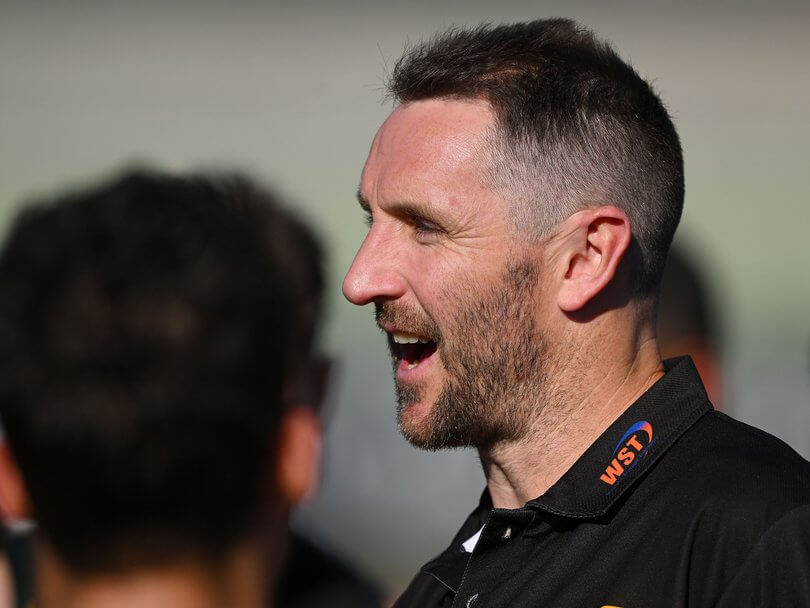
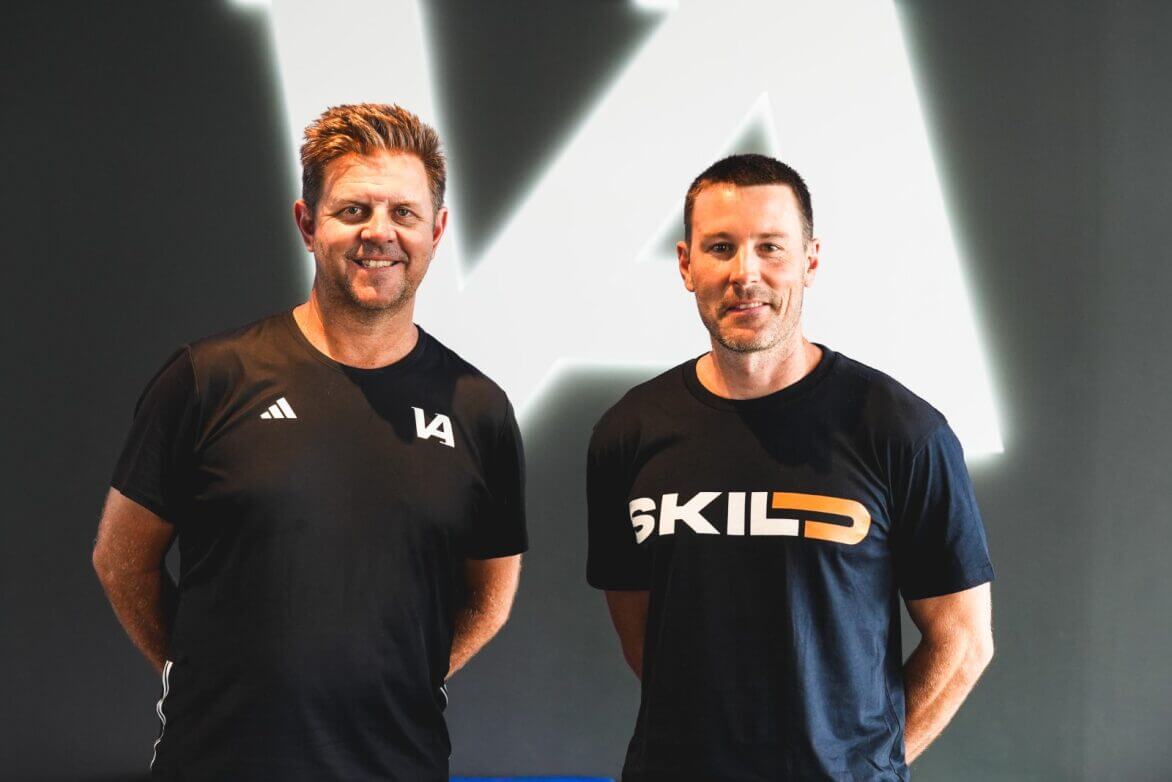
In this compelling interview, we speak with Mark Sophoulis about his remarkable dual career in elite coaching - from founding Melbourne International Training Systems (MITS) to playing a key role in three AFL premierships at Richmond Football Club. Now at Collingwood, Sophoulis shares how principles from tennis have revolutionised his approach to AFL player development.
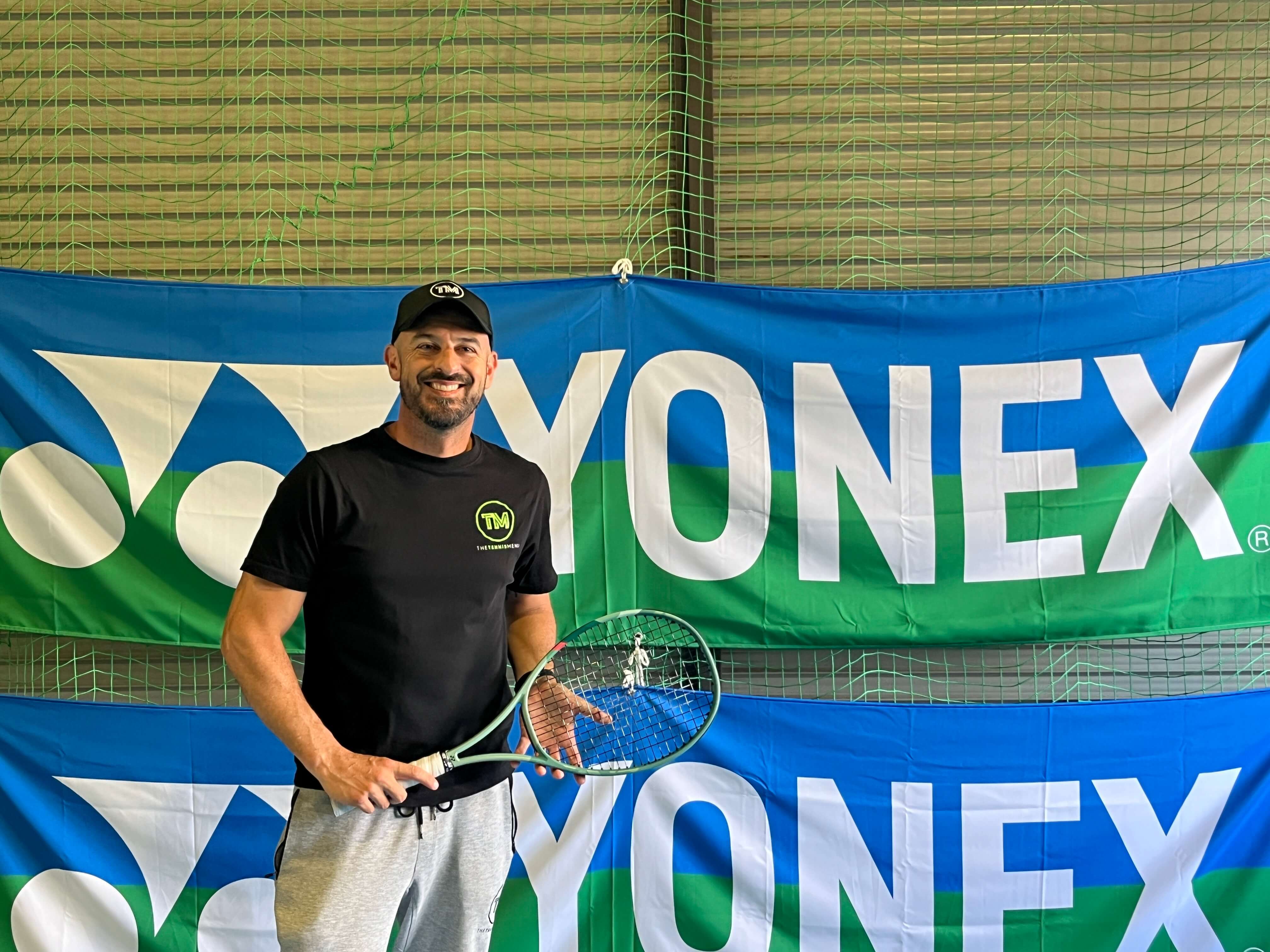
Q: You've worked extensively in AFL and VFL environments. How did that transition happen from an individual sport like tennis?
Mark Sophoulis: That part of my journey came through another mentor of mine, Craig McRae. While completing my high-performance coaching accreditation with Tennis Australia, I needed experience in another sport and chose football.
That led to a work placement where I met Craig, and shortly after, he offered me a role. From there, I worked in player development and coaching roles across the VFL and AFL, including 17 years at Richmond through premiership campaigns in 2017, 2019 and 2020, as well as a VFL premiership in 2019.
In 2024, Craig brought me across to Collingwood, which has been an incredible experience - especially as a lifelong supporter.
Three AFL premierships with Richmond (2017, 2019, 2020) plus a VFL premiership in 2019 - proof that elite coaching principles transcend individual sports.
Q: How do you balance coaching across two very different sports?
Mark Sophoulis: People often ask how I coach tennis and football when they're so different. My answer is always the same: I don't coach sports - I coach people.
Tennis taught me how to work deeply with individuals, build trust, and tailor development programs. AFL taught me how to manage large groups, create elite environments, and embed habits and behaviours that drive performance.
Each sport informs the other. I bring individual development into football, and I bring team culture, systems and structure back into tennis. At the core, it's always about understanding the human being behind the athlete.
Q: Can you tell us about your background and what initially drew you to coaching?
Mark Sophoulis: Like many coaches, my journey started as a player. I aspired to compete at an elite level but didn't quite achieve the goals I set for myself. Rather than walking away from the sport, I became motivated to help others avoid the mistakes I made and maximise their potential.
I was fortunate to grow up under the guidance of an incredible mentor, Michael Baroque, who has coached me since I was seven years old. He was a high-performance coach working with elite and professional players, and from an early age, I knew that was the pathway I wanted to follow.
What began as coaching for pocket money slowly turned into a real skill set and a passion. Over time, that passion grew into a career focused on developing players not just as athletes, but as people.
Q: Who typically comes to you for coaching, and what does that engagement look like?
Mark Sophoulis: We work with a wide range of athletes, and they come from everywhere. Recently, we've had athletes relocate from China, Brisbane and interstate Australia specifically to train with us.
I've never advertised. Everything comes through reputation and word of mouth. The tennis world is big, but it's also very small - people talk. I believe if you treat people well and genuinely help them improve, the business grows organically.
Personally, I'm most fulfilled working with aspiring athletes - people who want to be great. That could be a four-year-old just starting, or a 17-year-old chasing international competition. Age doesn't matter; aspiration does.
Q: What does a typical training program look like for developing athletes?
Mark Sophoulis: Everything starts with understanding the athlete - where they are, where they want to go, and why. From there, I build an individualised program. I don't believe in cookie-cutter coaching.
In tennis, I work on a formula: one hour of on-court training per year of age per week, and half an hour of off-court training per year of age. So, for a 13-year-old, that's roughly 13 hours on court and six to seven hours of strength, conditioning, balance and coordination work.
In AFL, the principles are similar but applied differently. We plan schedules, manage periodisation, and track performance data. Everything is measured, structured and intentional. We also aim to create a support team around the athlete - coaches, parents, strength and conditioning, psychology and nutrition - so everyone is aligned.
Q: How do you emphasise team support even in individual sports?
Mark Sophoulis: Very involved. I generally build the support team using professionals I trust and have worked with before. If an athlete comes with people they already trust, we integrate them.
Coaching doesn't stop when the player leaves the court or the field. I might be analysing match footage at midnight, coordinating with data analysts, talking with parents in another state, or planning tactics with a player overseas. You're committed to them 24/7.
Once you take responsibility for an athlete, you're responsible for the whole journey - wins, losses, growth and wellbeing. There's no real start or end point, until the relationship naturally concludes.
Q: What are the biggest challenges of running a coaching business across two sports?
Mark Sophoulis: Like any business, it comes down to people. You're dealing with human challenges - scheduling, cancellations, injuries, finances, emotions, results, expectations.
You're managing athletes, parents, staff, contracts, payments, logistics and promotion - often all at once. But we try not to see these as problems. We stay solution-focused.
At the end of the day, we're in the service industry. Everyone has different needs, and our job is to support them as best we can.
Q: Can you tell us more about Melbourne International Training Systems?
Mark Sophoulis: We were originally known as Melbourne International Tennis School (MITS), and we've now evolved into Melbourne International Training Systems.
We operate across multiple divisions - MITS Tennis, MITS Football and MITS Fitness - with bases in Melbourne, Singapore, Bali and Laos. It's a global operation built on a family-based culture.
Michael Baroque, my mentor, founded the business, and we now work together alongside his family, who manage much of the business operations. Most of our coaches have come through our system and understand our philosophy.
We're never a finished product. We want to keep growing, learning and helping people become better - every single day.