Riding requires a unique combination of strength, flexibility, balance, and cardiovascular fitness. While time in the saddle is irreplaceable, supplementing your riding with targeted fitness training can dramatically improve your effectiveness as a rider and reduce your risk of injury.
The Physical Demands of Riding
Effective riding requires:
- Core Stability: To maintain position and give independent aids
- Leg Strength: For effective leg aids and security in the saddle
- Upper Body Strength: For rein contact and half-halts
- Flexibility: For a deep seat and fluid movement
- Cardiovascular Endurance: For sustained performance
- Balance: To stay centred over your horse
- Coordination: To give multiple aids simultaneously
Research shows that rider fitness directly impacts horse performance. An unbalanced or weak rider forces the horse to compensate, leading to poor movement patterns and potential injury for both horse and rider.
Core Training for Riders
Your core is the foundation of effective riding. A strong, stable core allows you to:
- Maintain an independent seat
- Give aids without losing balance
- Absorb the horse's movement
- Stay secure over fences
- Sit a spook or buck more effectively
Essential Core Exercises
1. Plank Variations
- Standard plank: Hold 30-60 seconds, 3 sets
- Side plank: 30 seconds each side, 3 sets
- Plank with leg lift: 10 lifts each leg
2. Dead Bug
- Lie on back with arms and legs raised
- Lower opposite arm and leg while keeping back flat
- 10-12 reps each side, 3 sets
3. Bird Dog
- On hands and knees, extend opposite arm and leg
- Hold 3-5 seconds, return and switch
- 10-12 reps each side, 3 sets
4. Pallof Press
- Use resistance band or cable
- Press away from body, resisting rotation
- 10-12 reps each side, 3 sets
Lower Body Strength
Leg Strength for Riding
Strong legs provide security, effective aids, and the ability to maintain position. Focus on:
1. Squats
- Bodyweight, goblet, or barbell
- Focus on depth and control
- 3 sets of 12-15 reps
2. Lunges
- Forward, reverse, and lateral variations
- Build single-leg strength and balance
- 10-12 reps each leg, 3 sets
3. Single-Leg Deadlift
- Excellent for balance and hamstring strength
- 8-10 reps each leg, 3 sets
4. Calf Raises
- For heels-down position
- 15-20 reps, 3 sets
Hip Flexibility and Strength
The hip is crucial for a deep, effective seat. Work on both strength and flexibility:
- Hip Flexor Stretches: Essential for riders who sit all day
- Glute Bridges: 15 reps, 3 sets
- Clamshells: For hip stability, 15 reps each side
- Pigeon Pose: Hold 1-2 minutes each side
Many riders have tight hip flexors from desk jobs and driving. This pulls the pelvis into an anterior tilt, making it difficult to sit correctly. Prioritise hip flexor stretching in your routine.
Upper Body Strength
While riding isn't about pulling, you need upper body strength for stable, elastic contact and effective half-halts.
Key Upper Body Exercises
1. Rows
- Bent-over rows, cable rows, or TRX rows
- Build the back strength needed for rein contact
- 3 sets of 12-15 reps
2. Face Pulls
- Excellent for shoulder health and posture
- 3 sets of 15 reps
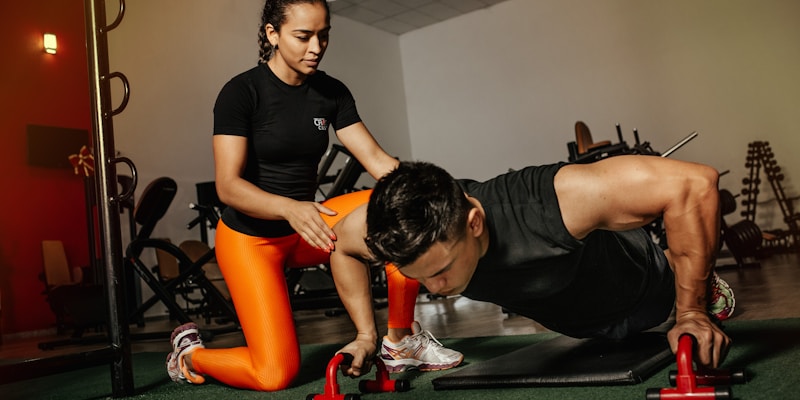
3. Push-Ups
- For overall upper body strength
- Modify as needed
- 3 sets of 10-15 reps
4. Shoulder Stability
- External rotation exercises
- Wall slides
- Important for rein aids
Flexibility and Mobility
Flexibility allows you to move with your horse and achieve correct positions. Focus on:
Key Stretches for Riders
- Hip Flexors: Kneeling lunge stretch, hold 60 seconds each side
- Hamstrings: Standing or lying stretch, hold 60 seconds
- Adductors: Butterfly stretch, frog stretch
- Lower Back: Cat-cow, child's pose
- Shoulders: Cross-body stretch, doorway stretch
- Ankles: For heels-down position
Yoga and Pilates for Riders
Both disciplines are excellent for riders:
- Yoga: Improves flexibility, balance, and body awareness
- Pilates: Builds core strength and stability
- Consider rider-specific classes if available
Cardiovascular Fitness
While riding doesn't require marathon-level endurance, good cardiovascular fitness helps you:
- Stay focused during long training sessions
- Recover quickly between classes at shows
- Maintain energy during cross-country
- Handle the physical demands of yard work
Recommended Cardio Activities
- Running or Jogging: 20-30 minutes, 2-3 times per week
- Cycling: Low impact, good for leg strength
- Swimming: Full-body workout, easy on joints
- HIIT: Time-efficient and improves recovery
"The fitter you are, the less you interfere with your horse. Fitness allows you to be a better partner." - Charlotte Dujardin
Sample Weekly Training Plan
Beginner (2-3 sessions per week)
Session 1 (Monday):
- Core circuit: Plank, dead bug, bird dog (2 rounds)
- Lower body: Squats, lunges (2 sets each)
- Stretching: 10 minutes
Session 2 (Thursday):
- Upper body: Rows, push-ups, face pulls (2 sets each)
- Core: Side planks, bridges
- Yoga or stretching: 15 minutes
Intermediate (4 sessions per week)
Add:
- One dedicated cardio session
- One Pilates or yoga class
- Increase sets and resistance in strength work
Training Around Your Riding
Timing Considerations
- Before Riding: Light mobility work is fine; avoid heavy leg training
- After Riding: Good time for strength or stretching
- Rest Days: Focus on flexibility and light cardio
- Competition Season: Maintain fitness but reduce volume
Listen to Your Body
- Don't train through pain
- Allow adequate recovery
- Adjust intensity based on riding workload
- Quality over quantity
Conclusion
Fitness training for riders is not about becoming a bodybuilder or marathon runner - it's about developing the specific attributes that make you a more effective rider. A focused, consistent fitness routine will improve your position, your aids, and your ability to work in harmony with your horse.
Start slowly, focus on proper form, and gradually build intensity over time. Even 20-30 minutes of targeted exercise a few times per week can make a noticeable difference in your riding. Your horse will thank you for becoming a fitter, more balanced partner.


