Gymnastics demands an exceptional combination of flexibility and strength. These two qualities work together to enable the beautiful lines, powerful movements, and impressive skills that define the sport. This comprehensive guide explores how to develop both safely and effectively.
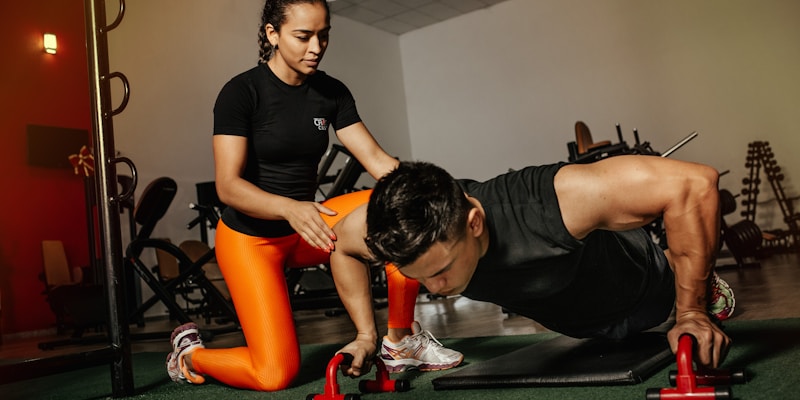
The Flexibility-Strength Connection
In gymnastics, flexibility without strength is as limiting as strength without flexibility. The two must develop together:
- Flexibility: Allows the range of motion needed for skills
- Strength: Provides control through that range of motion
- Active flexibility: The ability to move into positions using your own muscles
- Passive flexibility: The range achieved with external assistance
The goal is to close the gap between passive and active flexibility through strength training.
Safe Flexibility Development
General Principles
- Warm up first: Never stretch cold muscles
- Progress gradually: Flexibility gains take time
- Breathe: Deep breathing helps muscles relax
- Consistency: Regular stretching beats occasional intense sessions
- Listen to your body: Discomfort is okay; pain is not
Never force a stretch or allow others to push you into positions. Aggressive stretching, especially in developing athletes, can cause injury to muscles, ligaments, and growth plates. Progress should be measured in weeks and months, not days.
Types of Stretching
Dynamic Stretching (Before Training)
Active movements that warm up muscles and increase range of motion:
- Leg swings (front/back and side to side)
- Arm circles
- Walking lunges
- High knees and butt kicks
- Torso rotations
Static Stretching (After Training)
Held positions that develop long-term flexibility:
- Hold each stretch for 30-60 seconds
- Perform 2-3 sets per muscle group
- Focus on major areas: hamstrings, hip flexors, shoulders, back
- Best done when muscles are warm (post-workout)
PNF Stretching (Advanced)
Proprioceptive Neuromuscular Facilitation techniques can accelerate flexibility gains when used correctly:
- Stretch to comfortable limit
- Contract the muscle being stretched (6-10 seconds)
- Relax and stretch deeper
- Repeat 2-3 times
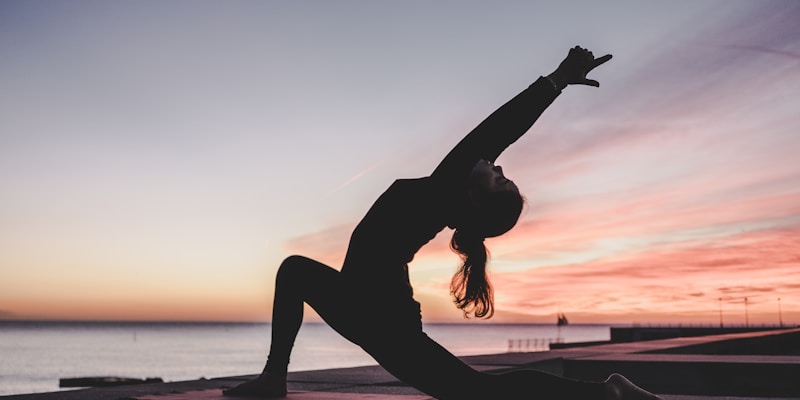
Key Flexibility Areas for Gymnastics
Splits (Front and Side)
Required for leaps, jumps, and various skills. Focus areas:
- Hamstrings (back leg in front splits)
- Hip flexors (front leg in front splits)
- Adductors (inner thighs for middle splits)
- Hip rotators
Shoulders
Critical for handstands, bridges, and bar work:
- Shoulder flexion (arms overhead)
- Shoulder extension (arms behind body)
- External and internal rotation
Back Flexibility
Essential for walkovers, back bends, and ring leaps:
- Upper back extension
- Lower back extension (develop carefully)
- Thoracic mobility
Strength Training for Gymnastics
Core Strength
The foundation of all gymnastics movements:
Essential Exercises
- Hollow body holds: 3-5 sets of 20-60 seconds
- Arch body holds: 3-5 sets of 20-60 seconds
- V-ups: 3 sets of 10-20 reps
- Leg lifts (hanging): 3 sets of 8-15 reps
- Planks (front and side): 30-60 seconds each
Focus on quality over quantity. A perfectly executed hollow body hold for 20 seconds is more valuable than 60 seconds with broken form. Progress the duration as strength improves.
Upper Body Strength
Essential for bars, rings, floor, and vault:
Push Exercises
- Push-ups (various progressions)
- Handstand push-ups (wall-assisted to start)
- Dips
- Pike push-ups
Pull Exercises
- Pull-ups (overhand and underhand)
- Rope climbs
- Body rows
- Lat pull-downs
Lower Body Strength
Powers jumps, landings, and floor work:
- Squats (bodyweight progressing to weighted)
- Lunges (forward, backward, walking)
- Single-leg squats (pistols)
- Box jumps
- Calf raises
- Tuck jumps
Programming Flexibility and Strength
Daily Structure
- Dynamic warm-up: 10-15 minutes
- Skills training: Main workout
- Strength conditioning: 20-30 minutes
- Flexibility/stretching: 15-20 minutes (end of session)
Weekly Programming Example
- Monday: Upper body strength + shoulder flexibility
- Tuesday: Lower body strength + hip flexibility
- Wednesday: Core strength + back flexibility
- Thursday: Upper body strength + shoulder flexibility
- Friday: Full body + comprehensive stretching
- Weekend: Light stretching, recovery
Age-Appropriate Training
Young Gymnasts (6-10 years)
- Focus on general physical preparation
- Bodyweight exercises only
- Emphasize proper form over intensity
- Make conditioning fun and game-based
- Gentle, consistent flexibility work
Pre-Teen Gymnasts (11-13 years)
- Progressive strength development
- Continue flexibility maintenance and development
- Introduce more structured conditioning
- Begin sport-specific strength work
Teen and Senior Gymnasts (14+)
- More intensive strength training possible
- Maintain flexibility (harder to gain after puberty)
- May include light external resistance
- Focus on power development
"Flexibility is not just about being able to do the splits. It's about having control throughout every inch of your range of motion." - Shannon Miller
Common Mistakes to Avoid
- Stretching cold muscles: Always warm up first
- Bouncing in stretches: Use controlled movements
- Ignoring one side: Address imbalances
- Only training strengths: Work on weaknesses
- Skipping conditioning: Strength protects against injury
- Rushing progress: Consistency beats intensity
Conclusion
Developing the flexibility and strength required for gymnastics is a long-term process that requires patience, consistency, and smart programming. By training both qualities together and respecting the body's natural adaptation timeline, gymnasts can achieve the exceptional physical capabilities their sport demands.
Remember that every gymnast is different. Some will naturally be more flexible, others naturally stronger. The key is identifying your individual needs and creating a balanced program that addresses weaknesses while maintaining strengths. Work with your coach to develop a personalized conditioning plan that supports your gymnastics goals.


