Swimming is one of the most energy-demanding sports. Competitive swimmers often train 15-25 hours per week, burning thousands of calories daily. Proper nutrition is essential not only for fueling training and competition but also for recovery, immune function, and long-term health. Understanding how to fuel your body can be the difference between reaching your potential and falling short.

Understanding Energy Demands
Swimmers have unique nutritional needs due to the nature of the sport:
- High energy expenditure: Water training burns significant calories due to water resistance and thermoregulation
- Multiple daily sessions: Many competitive swimmers train twice per day, requiring careful meal timing
- Mixed energy systems: Swimming uses both aerobic and anaerobic pathways, requiring adequate carbohydrate stores
- Recovery demands: The body needs proper nutrition to adapt to training stress
Calculating Your Needs
Energy requirements vary based on training volume, body composition goals, and individual metabolism. General guidelines for swimmers:
- Light training: 30-35 calories per kg of body weight
- Moderate training: 35-45 calories per kg of body weight
- Heavy training: 45-55+ calories per kg of body weight
For a 70kg swimmer in heavy training, this translates to approximately 3,150-3,850 calories daily.
Macronutrients for Swimmers
Carbohydrates: Your Primary Fuel
Carbohydrates are the primary fuel source for high-intensity swimming. Glycogen stored in muscles and liver provides the energy for both training and competition.
- Recommended intake: 5-10g per kg of body weight daily, depending on training load
- Timing: Prioritise carbohydrates around training sessions
- Quality sources: Whole grains, fruits, vegetables, legumes, rice, pasta, bread
Match carbohydrate intake to training demands. On high-volume days, increase carbs. On rest days or light training days, moderate your intake. This approach optimises body composition while ensuring adequate fuel for hard sessions.
Protein: Building and Repair
Protein is essential for muscle repair, recovery, and adaptation to training. Swimmers need more protein than sedentary individuals.
- Recommended intake: 1.4-2.0g per kg of body weight daily
- Distribution: Spread protein intake across 4-5 meals/snacks, with 20-40g per serving
- Quality sources: Lean meats, poultry, fish, eggs, dairy, legumes, tofu
- Timing: Include protein within 1-2 hours post-training for optimal recovery
Fats: Essential but Often Overlooked
Dietary fats are crucial for hormone production, vitamin absorption, and providing energy during lower-intensity activities.
- Recommended intake: 20-35% of total calories
- Focus on: Unsaturated fats from fish, nuts, seeds, avocado, olive oil
- Limit: Saturated and trans fats from processed foods
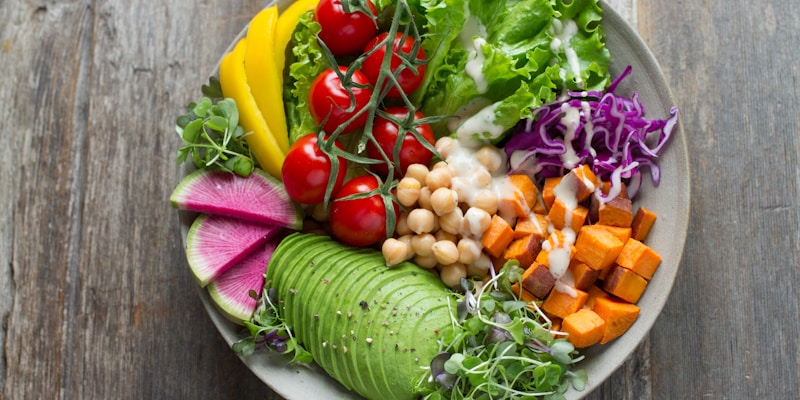
Pre-Training Nutrition
What you eat before training affects your energy, focus, and performance quality.
3-4 Hours Before Training
Consume a complete meal with carbohydrates, protein, and moderate fat:
- Pasta with lean meat and vegetables
- Rice bowl with chicken and salad
- Sandwich with lean protein and fruit
1-2 Hours Before Training
Have a lighter snack focused on easily digestible carbohydrates:
- Banana and yoghurt
- Toast with jam
- Energy bar
- Fruit smoothie
30-60 Minutes Before
Only a small, easily digestible snack if hungry:
- Piece of fruit
- Sports drink
- Small handful of dried fruit
During Training Nutrition
For sessions lasting longer than 60-90 minutes, or multiple sessions in a day, fueling during training can maintain performance.
- Hydration: Drink regularly throughout the session (see hydration section)
- Carbohydrates: For sessions over 90 minutes, aim for 30-60g of carbs per hour
- Options: Sports drinks, gels, energy chews, banana pieces
Post-Training Nutrition
The post-training window is crucial for recovery and adaptation. Aim to eat within 30-60 minutes after training.
Recovery Nutrition Goals
- Replenish glycogen: 1-1.2g carbohydrates per kg of body weight
- Repair muscle: 20-40g of high-quality protein
- Rehydrate: Replace fluids and electrolytes lost during training
Post-Training Meal Ideas
- Chocolate milk and banana (convenient option)
- Chicken and rice bowl with vegetables
- Smoothie with protein powder, fruit, and oats
- Eggs on toast with juice
- Greek yoghurt with granola and berries
Low-fat chocolate milk is an excellent post-training recovery drink. It provides the ideal ratio of carbohydrates to protein (approximately 3:1), fluids for rehydration, and electrolytes - all in a convenient, affordable, and delicious package.
Competition Day Nutrition
Meet-day nutrition requires careful planning, especially when racing multiple events over several hours or days.
Pre-Competition Meal (3-4 hours before)
- Familiar foods you have practised with in training
- Carbohydrate-rich with moderate protein
- Low in fat and fibre to aid digestion
- Examples: Porridge with banana, toast with eggs, pasta with simple sauce
Between Events
Timing depends on the gap between your races:
- Less than 30 minutes: Water and sports drink only
- 30-60 minutes: Light snack like banana, energy bar, or sports drink
- 1-2 hours: Sandwich, fruit, yoghurt, or recovery shake
- More than 2 hours: Light meal similar to pre-competition
Foods to Avoid on Race Day
- High-fat foods (fried foods, creamy sauces)
- High-fibre foods (large salads, beans)
- New or unfamiliar foods
- Excessive caffeine
- Large portions close to race time
Key Micronutrients for Swimmers
Iron
Iron is essential for oxygen transport and energy production. Swimmers, especially females, are at higher risk of iron deficiency.
- Sources: Red meat, poultry, fish, fortified cereals, legumes, spinach
- Tip: Combine plant-based iron sources with vitamin C to enhance absorption
Calcium and Vitamin D
Important for bone health, particularly relevant for swimmers who do not bear weight during training.
- Calcium sources: Dairy products, fortified plant milks, leafy greens, tinned fish with bones
- Vitamin D: Sun exposure, fatty fish, fortified foods, supplements if deficient
Omega-3 Fatty Acids
Anti-inflammatory properties may aid recovery and support cardiovascular health.
- Sources: Fatty fish (salmon, mackerel, sardines), walnuts, flaxseeds
- Recommendation: 2-3 serves of fatty fish per week
"You cannot out-train a poor diet. What you put into your body directly affects what you get out of it in training and competition." - Sports Nutrition Principle
Practical Tips for Busy Swimmers
- Meal prep: Prepare meals and snacks in advance for the week
- Pack your bag: Always have portable snacks ready (fruit, nuts, bars)
- Stay consistent: Establish eating patterns that work with your training schedule
- Listen to your body: Hunger, energy levels, and recovery quality provide feedback on your nutrition
- Seek professional advice: Consider consulting a sports dietitian for personalised guidance
Conclusion
Proper nutrition is a powerful tool for swimmers seeking to optimise their performance and recovery. By understanding your energy needs, prioritising quality carbohydrates and protein, timing your nutrition around training, and paying attention to key micronutrients, you can fuel your body for success in the pool. Remember, nutrition strategies should be practised in training before implementing them in competition. What works for one swimmer may not work for another, so experiment and find what helps you perform at your best.


